

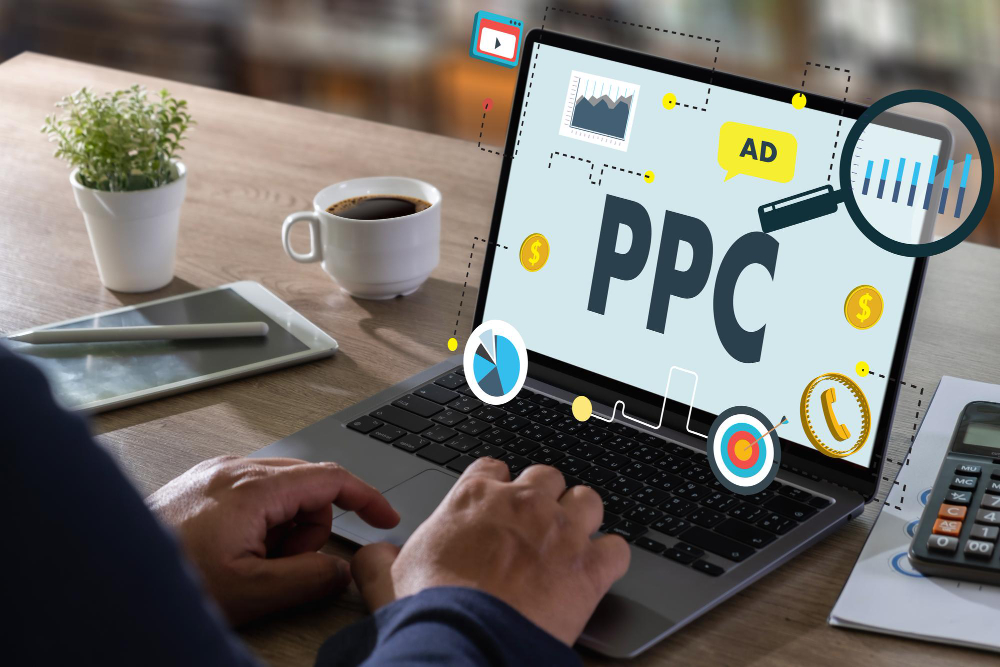
What is PPC in digital marketing, and why should businesses be investing in it in 2026? Pay-Per-Click (PPC) advertising is one of the most effective ways to drive immediate traffic to your website. Unlike SEO, which takes time to produce results, PPC delivers instant visibility on search engines and social media platforms. In this blog, we’ll explore how PPC in digital marketing works, its benefits, and the most effective strategies to implement in 2026.
Understanding PPC Campaigns
Types of PPC (Google Ads, Bing Ads, Social Media Ads)
PPC campaigns can be run across various platforms, each with its own strengths. Google Ads is the most popular PPC platform, allowing businesses to place ads on search engine results pages. Bing Ads offers a similar model but with a smaller audience. Social media platforms like Facebook, Instagram, and LinkedIn also provide PPC options, enabling businesses to target specific demographics and interests. Each type of PPC has its place in a broader digital marketing strategy.
How PPC Works: Bidding System and Keywords
At the core of PPC in digital marketing is the bidding system. Advertisers select keywords they want to target, and then they bid on these keywords. The higher the bid and the relevance of the ad, the better the chances of the ad appearing in search results. This system is designed to ensure that ads are shown to users most likely to engage with them. Understanding the bidding process and keyword relevance is crucial to running successful PPC campaigns.
Benefits of PPC in Digital Marketing
Immediate Traffic and Visibility
One of the biggest advantages of PPC in digital marketing is that it delivers immediate results. Unlike SEO, which takes time to build organic rankings, PPC ads appear as soon as your campaign is live. This means businesses can start driving targeted traffic and generating leads instantly, making it an excellent strategy for both short-term and long-term marketing goals.
High ROI and Measurable Results
With PPC in digital marketing, you can track and measure every aspect of your campaign, from impressions to clicks to conversions. This makes it easy to assess the ROI of your PPC efforts. Because you only pay when someone clicks on your ad, the potential for a high return on investment is substantial, especially when the campaigns are optimized effectively.
Targeting Specific Demographics and Geographies
One of the most powerful features of PPC in digital marketing is its ability to target specific demographics and geographies. Platforms like Google Ads and Facebook allow businesses to filter audiences by location, age, interests, and even behaviors. This ensures that your ads are shown to the most relevant audiences, maximizing the effectiveness of your ad spend.
Best PPC Strategies for 2026
Creating Effective Ad Copy and Landing Pages
For a successful PPC in digital marketing campaign, it’s crucial to write compelling ad copy that grabs attention and encourages users to click. Your landing page must also be optimized to convert visitors into leads or customers. Make sure your ad copy and landing pages are aligned in terms of messaging, offering a seamless and relevant experience for users.
Keyword Research for PPC Campaigns
Effective PPC in digital marketing begins with thorough keyword research. Use tools like Google Keyword Planner and SEMrush to identify high-converting keywords with the right search volume and competition level. Focus on long-tail keywords and phrases that are specific to your target audience for better conversion rates and lower costs-per-click.
Bid Management and Budget Optimization Strategies
PPC campaigns require continuous monitoring and optimization. In 2026, businesses should focus on bid management strategies that allow them to control costs while maximizing results. Adjusting bids based on performance data, setting daily or monthly budgets, and testing different ad variations will help ensure the best possible outcome for your PPC marketing efforts.
Retargeting and Remarketing Strategies
Retargeting and remarketing are powerful PPC marketing strategies that allow businesses to reconnect with people who have already interacted with their website or ads. By showing ads to people who are already familiar with your brand, you can increase the chances of conversion. In 2026, retargeting will continue to be a cost-effective way to re-engage potential customers.
Tools for Managing PPC Campaigns
Google Ads, Facebook Ads Manager, LinkedIn Ads
These platforms are essential for running PPC marketing campaigns. Google Ads provides comprehensive tools for keyword targeting and campaign management. Facebook Ads Manager allows businesses to reach highly specific audiences across Facebook and Instagram, while LinkedIn Ads is ideal for targeting professionals and B2B marketing.
Analytics Tools for Tracking PPC Performance
To measure the success of your PPC marketing campaigns, you’ll need to use analytics tools like Google Analytics, SEMrush, and Ahrefs. These tools help you track important metrics such as click-through rate (CTR), cost-per-click (CPC), and conversion rate, allowing you to make data-driven decisions to optimize your campaigns.
Maximize Your ROI with Expert PPC Strategies
As we approach 2026, PPC marketing will continue to play a crucial role in driving traffic and generating leads. The rise of AI, machine learning, and more sophisticated targeting will make PPC campaigns even more effective. Businesses that invest in optimizing their PPC in digital marketing strategies will see higher ROI, more conversions, and greater brand visibility.
Start optimizing your PPC campaigns today for higher returns and better online visibility. Explore your options through Marketyfy Google Ads Services for tailored strategies and expert guidance that will drive more traffic and maximize your ad spend.