

Introduction
Direct-to-consumer brands play a different game than traditional retail or B2B businesses — no middleman, no physical storefront traffic, and success depends entirely on your ability to acquire and retain customers online. Ahmedabad has a growing D2C scene, but many brands still apply generic marketing tactics that don’t fit the model. Here’s what actually works.
Why Traditional Marketing Doesn’t Translate to D2C
A traditional retail brand can rely on foot traffic, distributor relationships, and brand awareness built over years. A D2C brand has none of that cushion — every customer has to be found, convinced, and converted online, and the cost of acquiring that customer has to make sense against their lifetime value. This changes what actually matters:
- Performance marketing over brand awareness alone — D2C needs a direct path from ad to purchase, measured rigorously
- First-party data and retention — since there’s no retail relationship, email/SMS and repeat-purchase strategy matter enormously
- Content that builds trust quickly — without a physical store to build confidence, product pages, reviews, and social proof carry more weight
Core Pillars of D2C Growth
1. Paid Acquisition That Pays for Itself
Meta and Google Ads are usually the primary acquisition channels for D2C, but the real work is in tracking customer acquisition cost (CAC) against customer lifetime value (LTV) — not just chasing cheap clicks or vanity impressions.
2. Conversion-Optimized Website
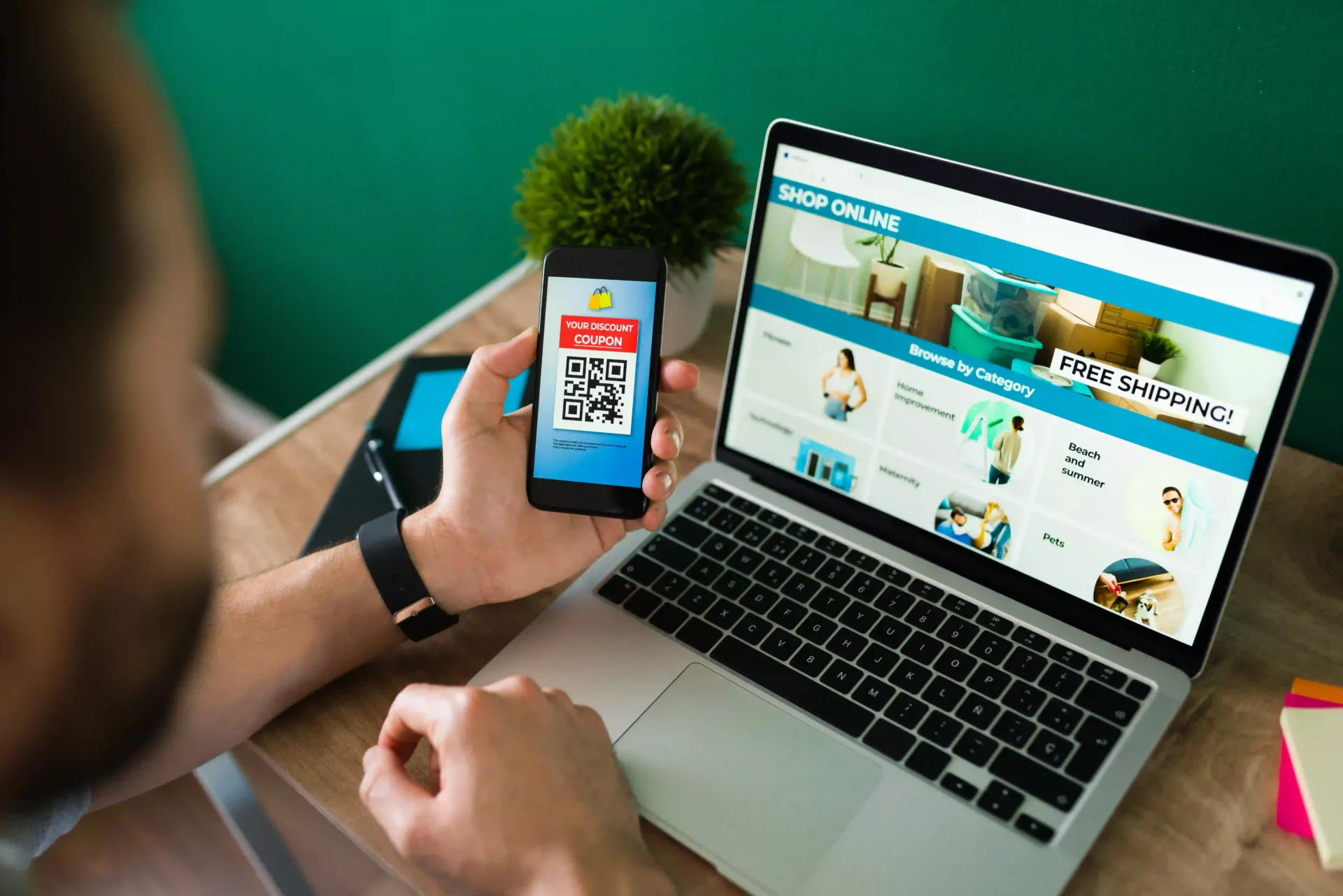
A D2C site needs to do the selling a salesperson would in a physical store — clear product information, social proof, fast checkout, and mobile optimization, since a large share of D2C traffic comes from mobile ads.
3. Retention and Repeat Purchase
Acquiring a new customer costs significantly more than retaining an existing one. Email marketing, loyalty programs, and post-purchase engagement are what turn a one-time buyer into a repeat customer — and repeat customers are what make a D2C brand’s unit economics actually work long-term.4. Content and Social Proof
User-generated content, reviews, and authentic social media presence build the trust a physical retail experience would otherwise provide. This is especially important for newer D2C brands without years of brand recognition behind them.Common Mistakes D2C Brands Make
- Scaling ad spend before confirming unit economics actually work at a small scale
- Treating the website as a static catalog rather than optimizing it continuously for conversion
- Underinvesting in retention, chasing new customer acquisition exclusively
- Inconsistent brand presentation across ads, website, and social media
Scale Your D2C Brand
Frequently Asked Questions
What’s a good customer acquisition cost for a D2C brand?
This varies enormously by product category and price point — the right benchmark is whether your CAC, against your actual margins and repeat purchase rate, lets the business be profitable; there’s no universal number.
Should a new D2C brand focus on Meta Ads or Google Ads first?
This depends on the product and buying behavior — Meta often works well for visually compelling, discovery-driven products, while Google Ads captures people already searching with purchase intent; many brands eventually use both.
How important is a Shopify or dedicated e-commerce platform for D2C?
Very — a platform built for conversion-optimized online selling, rather than a generic website, typically performs significantly better for D2C sales specifically.
How long does it take to scale a D2C brand profitably?
This varies widely based on product, market, and execution — but sustainable scaling usually comes after unit economics are proven at a smaller scale, not before.